
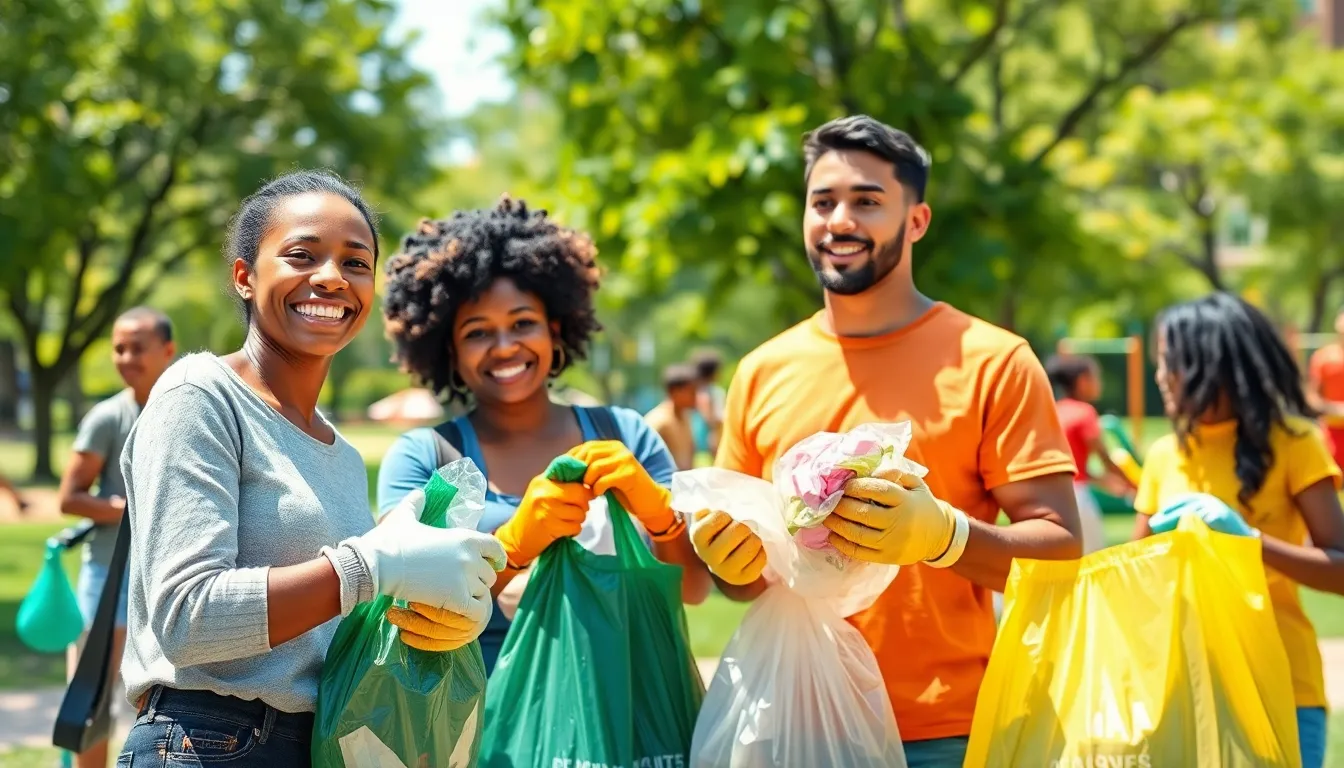
In a world that often feels divided, collaborative social projects shine like a beacon of hope. They’re not just about getting things done; they’re about bringing people together, sparking creativity, and making a difference—one quirky idea at a time. Imagine a group of strangers bonding over a shared mission, fueled by coffee and the occasional donut. Sounds like a sitcom, right? But it’s reality, and it’s happening all around us.
These projects harness the power of teamwork to tackle pressing social issues, proving that two (or ten) heads are better than one. Whether it’s cleaning up a local park or launching an initiative to support underprivileged communities, collaboration transforms good intentions into impactful actions. So buckle up and get ready to explore how these dynamic partnerships are changing the landscape of social change—one laugh and one project at a time.
Overview of Collaborative Social Projects
Collaborative social projects bring individuals together to work towards common objectives. Such initiatives foster a sense of community among participants, emphasizing the importance of teamwork and shared purpose. Teams dedicated to these projects often tackle significant social issues while cultivating creativity and camaraderie.
Local clean-up events serve as an example of these initiatives, where community members unite to beautify parks or public spaces. These projects not only enhance the environment but also strengthen community bonds. Support programs for underprivileged groups illustrate another dimension of collaborative social efforts. Volunteers contribute time and resources, creating lasting impacts on those in need.
Many organizations facilitate collaborative social projects by providing resources and guidance. They connect individuals who share similar interests or goals, making participation more accessible. Successful projects demonstrate how diverse groups can work together to effect change, regardless of differences in background or perspective.
Participants in these projects experience personal growth alongside community benefits. Developing skills and fostering relationships enhances both individual and collective well-being. The overall impact of collaborative social projects extends beyond immediate results, contributing to the creation of a more inclusive and supportive society.
Statistics reveal that such initiatives lead to increased community engagement and improved mental health among volunteers. Empirical evidence supports the idea that teamwork in social projects fosters resilience and innovation, enabling communities to address challenges more effectively. Many collaborative projects showcase the transformative power of collective effort, ultimately reshaping social landscapes for the better.
Importance of Collaborative Social Projects

Collaborative social projects play a vital role in strengthening community ties and promoting social change. Through shared experiences, individuals connect and contribute to meaningful goals, making a significant impact on society.
Building Community
Building community occurs when diverse groups unite for common causes. Participants in local initiatives experience camaraderie, fostering friendships and deepening their connections. Events like neighborhood clean-ups or food drives enhance the sense of belonging among residents. Collaboration encourages individuals to share their unique skills, enriching the collective experience. When people actively engage, they create networks of support, amplifying the project’s effectiveness. According to recent surveys, communities with strong collaboration report higher satisfaction levels among residents. This communal effort not only improves the immediate environment but also cultivates a culture of cooperation and inclusivity.
Promoting Social Change
Promoting social change requires collective action and shared dedication. Collaborative social projects address pressing social issues such as poverty and education disparities. Through joint efforts, participants bring awareness to these challenges and develop innovative solutions. Volunteers often witness their contributions leading to tangible improvements, reinforcing their commitment. Research highlights that organizations involved in collaborative efforts yield a greater impact compared to isolated initiatives. Community programs that unite various stakeholders create pathways for sustainable change. By fostering dialogue and understanding, these projects shift the societal landscape towards equity and justice.
Key Characteristics of Successful Projects
Successful collaborative social projects exhibit several key characteristics that enhance their effectiveness and impact.
Clear Objectives
Clear objectives provide direction and focus for collaborative projects. Participants understand the desired outcomes and can channel efforts accordingly. Structuring goals into specific, measurable targets increases accountability. Establishing timelines ensures progress remains on track. Projects evolve more efficiently when everyone shares a common vision. For instance, community clean-up initiatives typically aim to remove litter while raising awareness about environmental issues. Clarity in objectives empowers teams to strategize and adapt, leading to lasting community benefits.
Strong Partnerships
Strong partnerships form the backbone of successful projects. Collaboration between local organizations, volunteers, and community members creates a robust support network. Engaged partners contribute resources, expertise, and diverse perspectives, enhancing project effectiveness. Establishing trust fosters open communication, encouraging innovative solutions. For example, partnerships between schools and non-profits can address youth education gaps effectively. When organizations and individuals work together, the combined efforts amplify impact, making changes more sustainable and meaningful.
Challenges in Collaborative Social Projects
Collaborative social projects encounter several challenges that may hinder their success. Identifying and addressing these obstacles ensures projects achieve their intended impact.
Resource Allocation
Resource allocation proves crucial in the implementation of collaborative social projects. Limited funding often restricts the scope of initiatives, preventing them from reaching their full potential. Proper planning ensures resources are utilized efficiently, maximizing outcomes and minimizing waste. Volunteers and organizations frequently need to secure materials, manpower, and support from the community. Projects lacking adequate resources risk failing to deliver on promises, leading to decreased community trust.
Stakeholder Engagement
Engaging stakeholders significantly influences the effectiveness of collaborative social projects. Diverse participation fosters a range of perspectives, enriching project outcomes. Successful initiatives maintain open communication with stakeholders, ensuring their needs and expectations are prioritized. Understanding each stakeholder’s motivations creates an inclusive environment that encourages active involvement. Failing to address differing priorities among stakeholders can lead to misunderstandings or disengagement, undermining the goals of the project.
Case Studies of Successful Collaborative Social Projects
Successful collaborative social projects demonstrate the power of community engagement and teamwork. One notable initiative, the “Great American Cleanup,” mobilizes millions of volunteers across the United States. Through neighborhood clean-ups and beautification efforts, participants collectively restore parks and public spaces, enhancing community pride while fostering environmental stewardship.
In another impactful example, “Reading Partners” addresses educational disparities. This program pairs volunteers with children from low-income families to improve literacy skills. As a result, students gain reading proficiency through tailored, one-on-one support, leading to measurable improvements in academic performance.
“Food Rescue” exemplifies collaboration in tackling food waste and hunger. Local restaurants and grocery stores partner with non-profits to redirect surplus food to food banks. This initiative not only reduces waste but also provides nutritious meals to those in need, fostering a sense of community responsibility.
Communication plays a critical role in these projects. Regular meetings among stakeholders ensure transparency and alignment of goals. By engaging diverse community members, these initiatives create inclusive atmospheres where everyone’s contributions are valued. Clear objectives guide participants, facilitating focused efforts that yield measurable outcomes.
Evaluating the impact of projects reveals significant results. Communities involved in organized clean-ups report increased satisfaction and a stronger sense of belonging. Volunteers often experience personal growth, building skills and relationships that elevate their overall well-being. Research indicates collaborative efforts lead to higher community engagement and improved mental health statistics, reinforcing the benefits of teamwork.
Through these case studies, the advantages of collaborative social projects become evident. They exemplify how collective action transforms communities by addressing pressing issues, enhancing social ties, and fostering a shared sense of purpose.
Collaborative social projects represent a powerful avenue for fostering community spirit and addressing social challenges. They not only bring individuals together but also catalyze meaningful change through shared efforts. By engaging diverse participants and leveraging their unique skills, these initiatives create a sense of belonging and purpose.
The positive outcomes of such projects extend beyond immediate benefits. They contribute to personal growth and community resilience while reinforcing the importance of teamwork. As society continues to navigate complex issues, the role of collaborative efforts in shaping a more inclusive and supportive environment cannot be overstated. Embracing these projects paves the way for a brighter future where collective action leads to lasting impact.